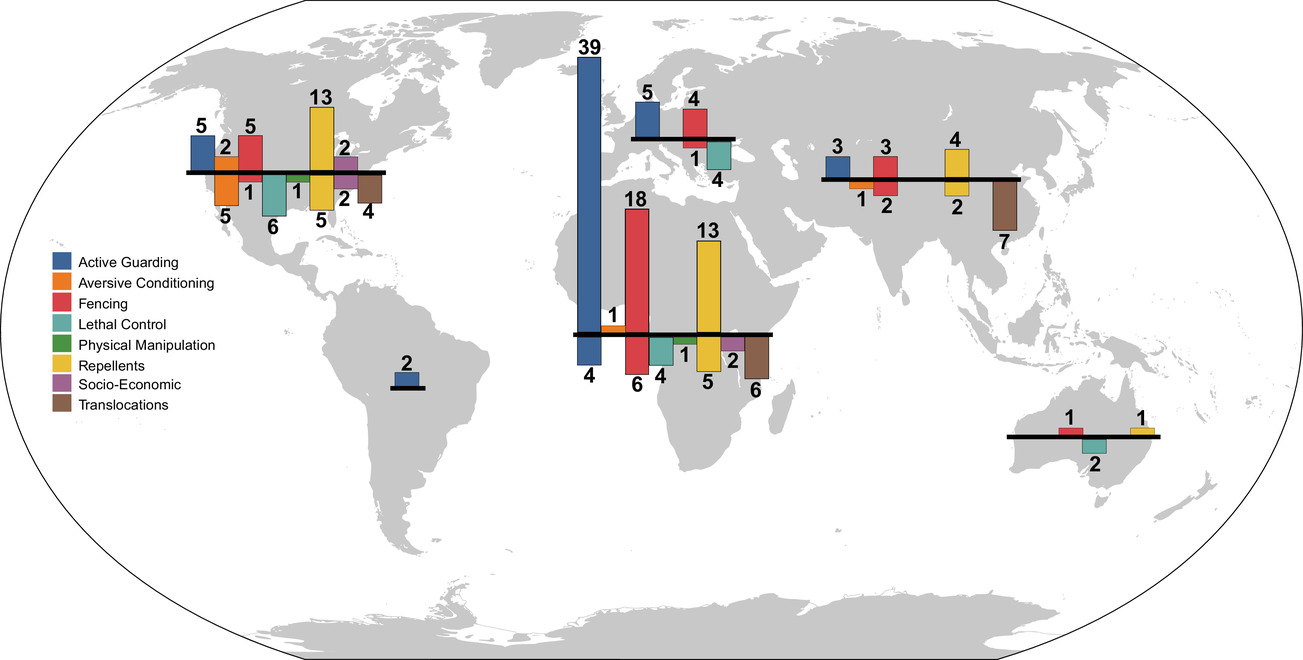
Our field research currently spans three continents, united by a common goal: understanding how people and wildlife can share landscapes in a rapidly changing world. In Asia, we work at the frontlines of tiger conservation in Nepal and beyond, tracing how endangered carnivores navigate roads, habitat loss, and human tolerance. In Africa, our research illuminates the trade-offs rural communities face living alongside lions, hyenas, and other carnivores, and the recovery of wildlife populations in post-conflict landscapes. And across the Americas, we study how large carnivores, ungulates, and other wildlife respond to multiple pressures, including human infrastructure growth, drought, and wildfire. Throughout, we also evaluate human perceptions of wildlife to understand the mutual adaptations that allow people and animals to coexist. Wherever we work, our approach combines field-based ecological research with the social science needed to translate findings into durable, on-the-ground coexistence.
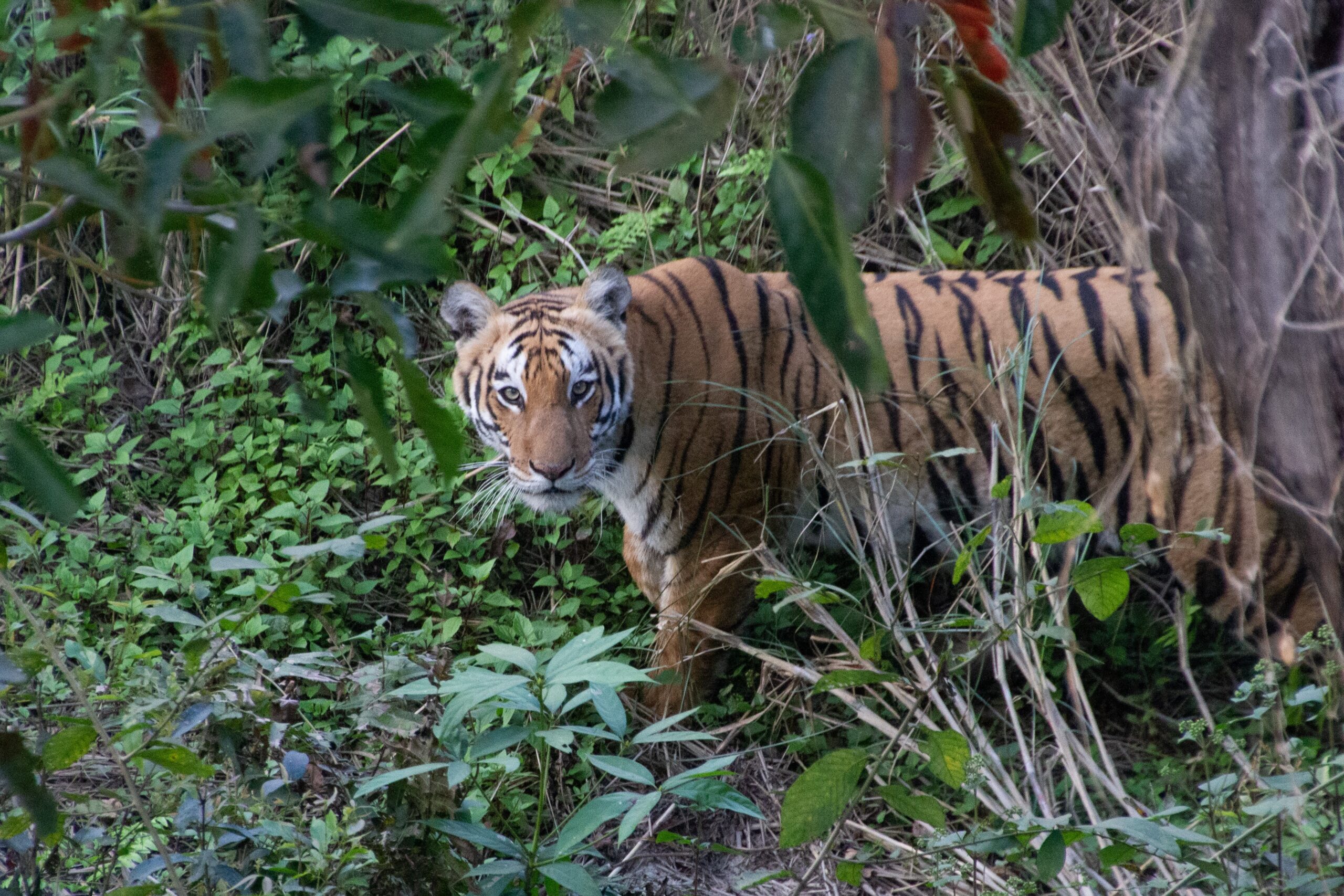
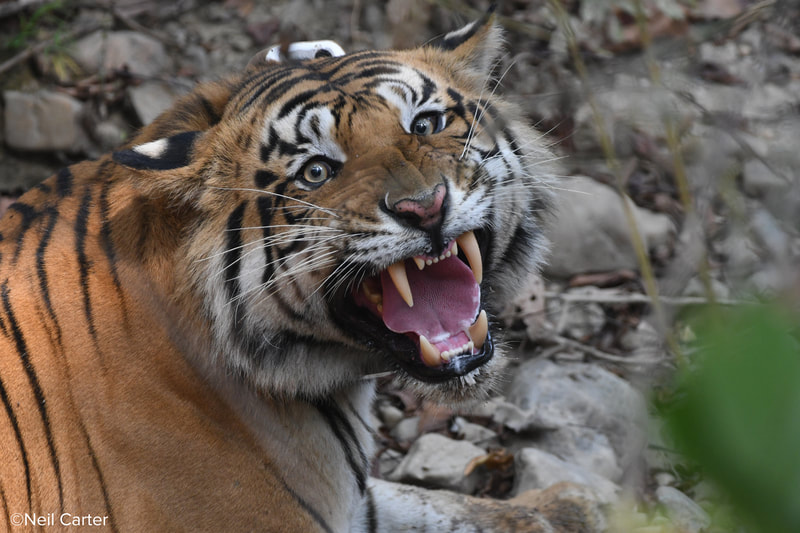
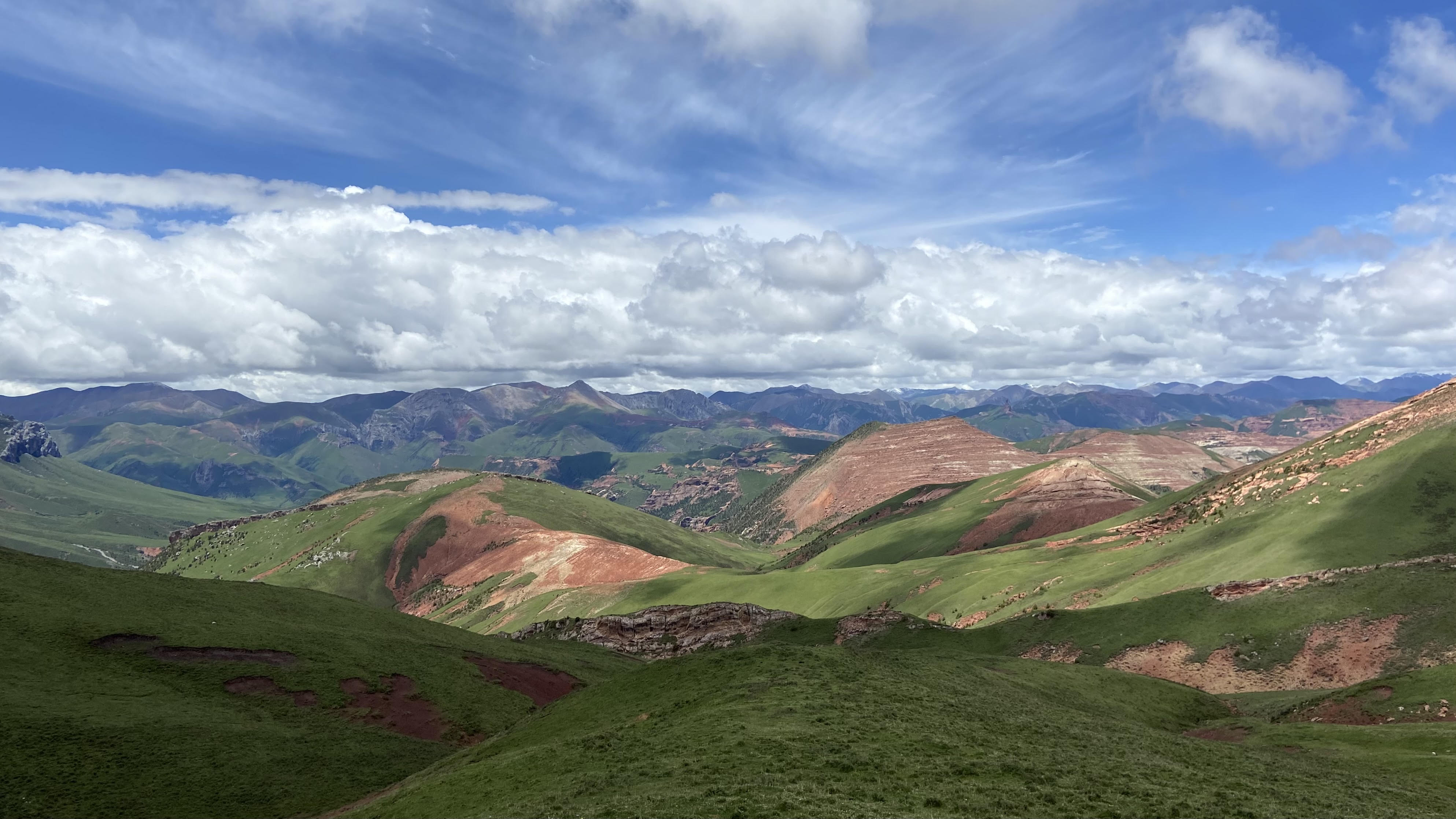
Our group's research roots are in South Asia, where two decades of work in Nepal's Terai (lowlands) have examined tiger habitat selection, movement responses to roads and infrastructure, and the social dynamics of human tolerance for tigers. This work extends across the region to Bangladesh, where we've studied coexistence with tigers in human-dominated landscapes, and to Taiwan, where our team investigates the impacts of snare-trap injuries on endangered Asiatic black bears.
Together, this research bridges fine-scale animal behavior with the human dimensions of living alongside some of the world's most endangered carnivores.
 Anna Yue Yu
 Amy Zuckerwise
 Neil Carter
 Anna Yue Yu
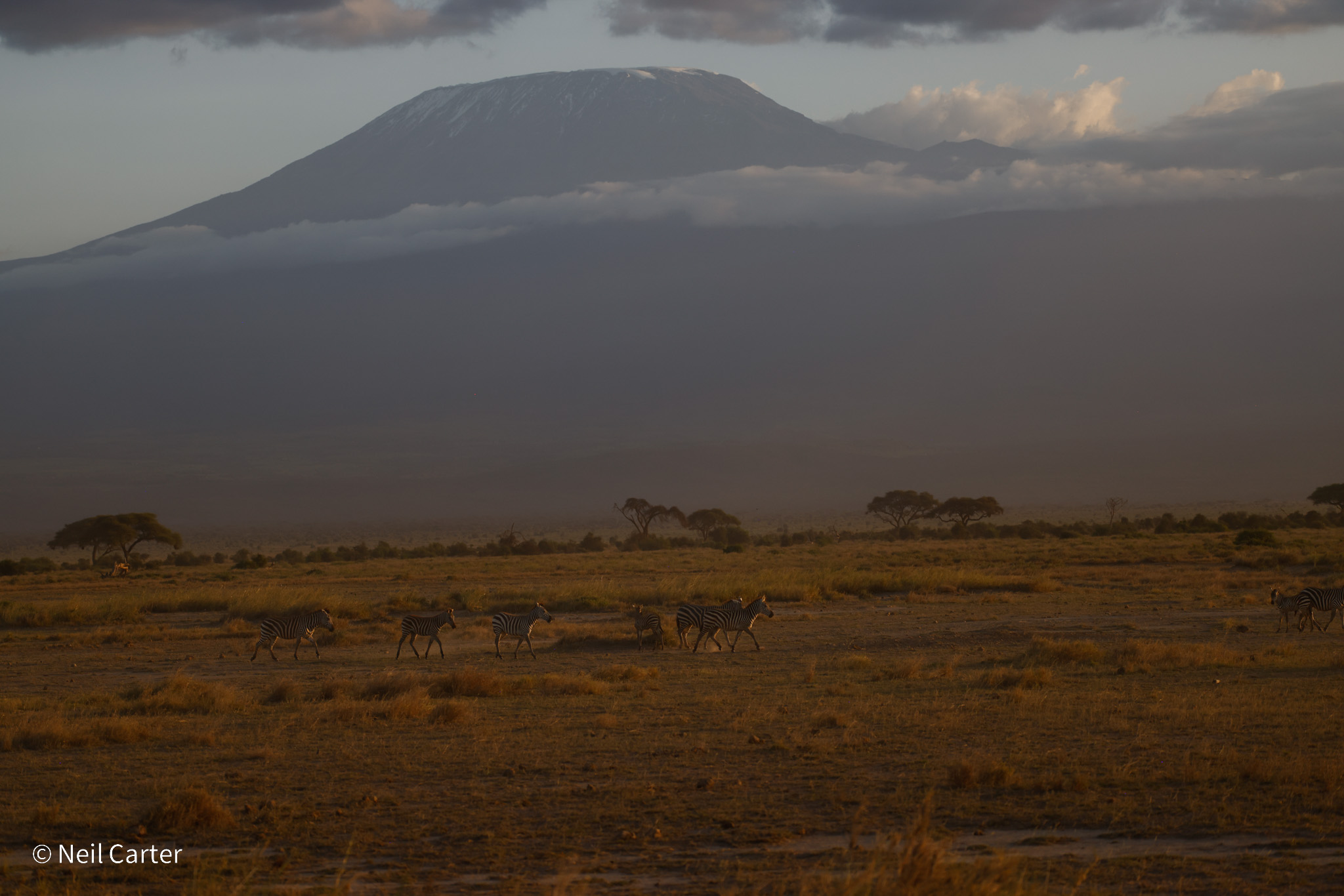
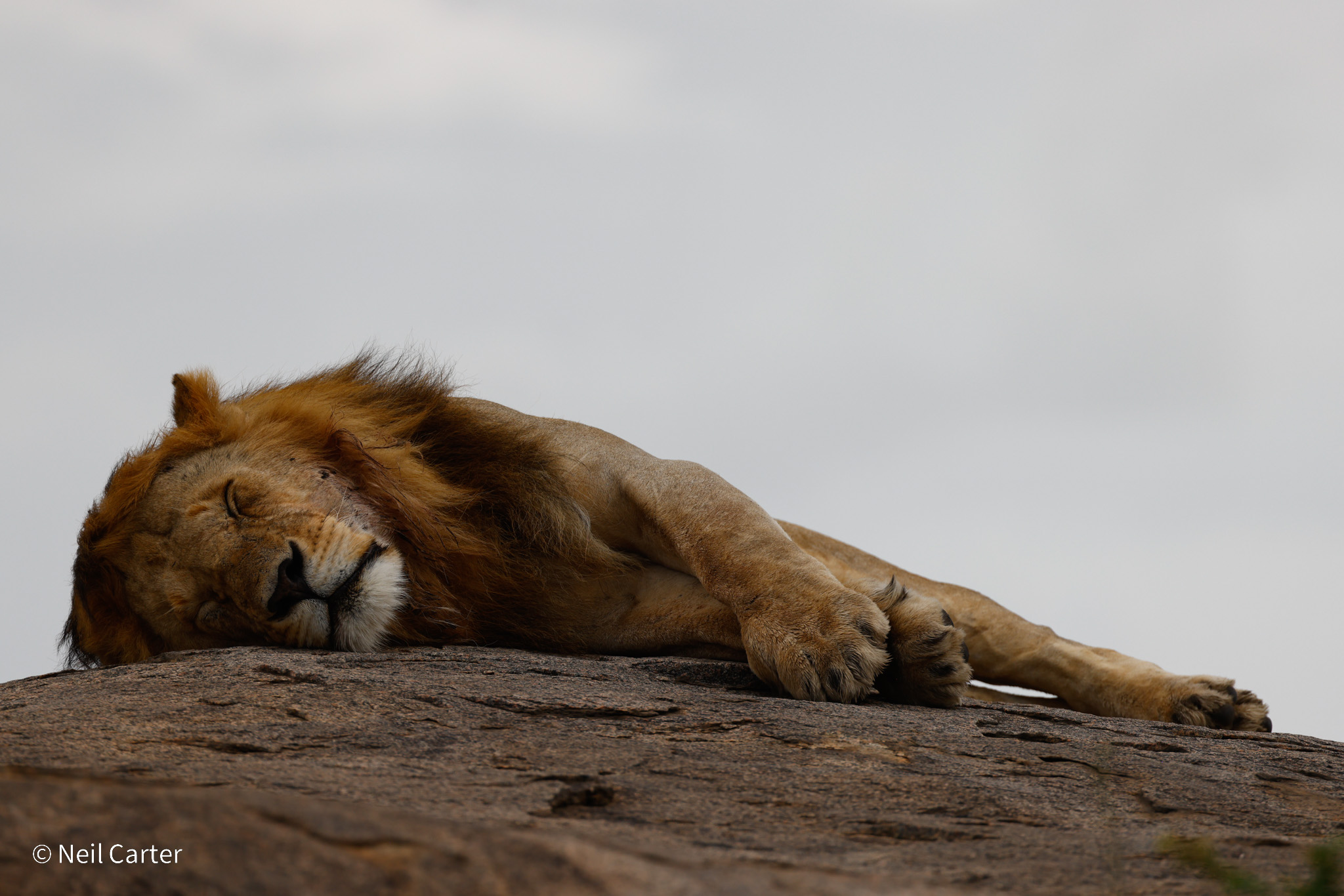
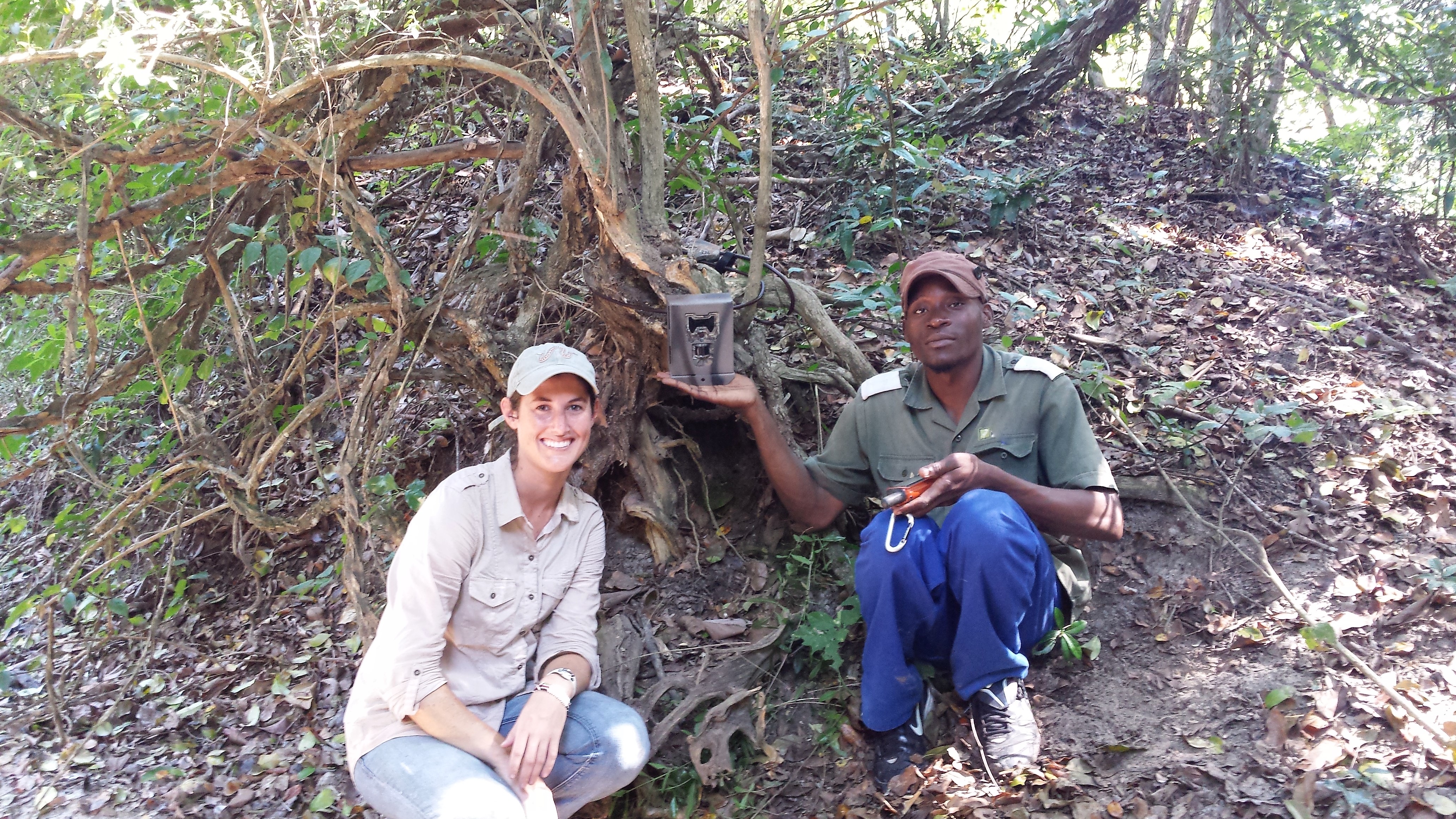
Across the African continent, our research addresses the interplay between wildlife recovery, livestock, and rural livelihoods. In Mozambique's Gorongosa National Park, we've studied the post-war recovery of lions and broader biodiversity conservation opportunities in surrounding multi-use lands. In Botswana and Tanzania, our work examines the social and ecological drivers of human-carnivore conflict and community preferences for wildlife management, while research in Ethiopia has revealed the surprising public health and economic benefits that scavenging spotted hyenas provide to peri-urban communities.
This work consistently centers the trade-offs rural communities navigate when sharing land with large carnivores.
 Neil Carter
 Neil Carter
 Neil Carter
 Tara Easter
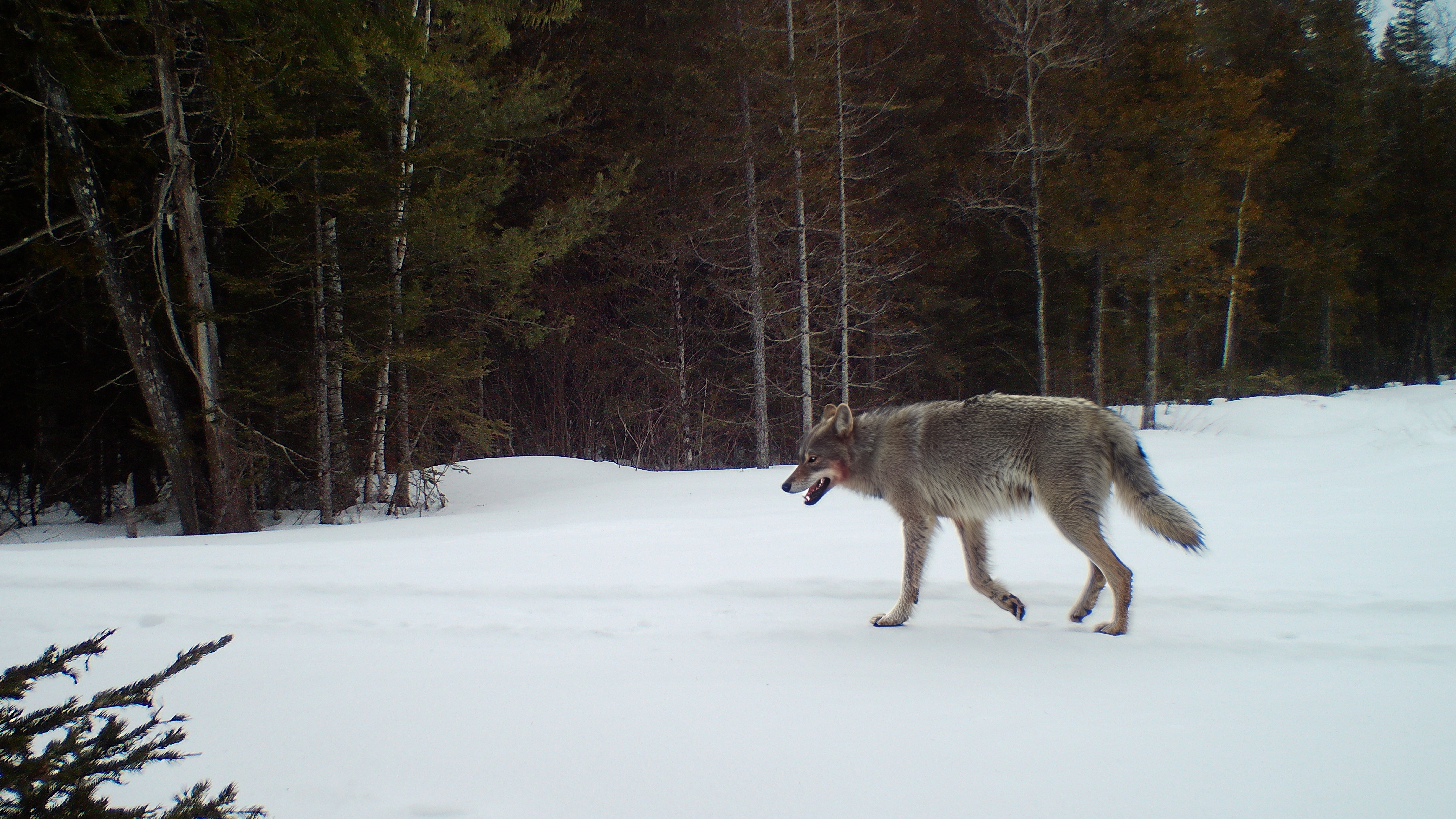
In the United States, much of our work focuses on the American West, where we study wolves, cougars, grizzly bears, and mule deer across landscapes shaped by drought, wildfire, roads, and changing land use. We also work closer to home in Michigan, examining black bear habitat and American marten responses to shifting snow conditions, alongside a broader body of research spanning the country on how artificial light and noise pollution alter predator-prey dynamics, bird phenology, and wildlife behavior across urban-wildland gradients. In the Upper Peninsula of Michigan, we collaborate with government agencies and indigenous peoples to examine the various mechanisms by which people influence the movements, diet, and energetics of gray wolves in order to promote human-wildlife coexistence. Further south, we study jaguars across their range, from the pressures illicit economies place on their conservation to their persistence as an apex predator amid human-driven habitat change.
Across these varied landscapes, our research supports evidence-based coexistence strategies for both iconic and often-overlooked wildlife.
 Shiyang Du
 Jason Hagani
 Yuting Pu
 Jason Hagani
Beyond our regional field sites, our group also tackles questions at a global scale, such as mapping how human-wildlife overlap is projected to expand worldwide and assessing how mariculture expansion could affect marine biodiversity worldwide. These global analyses help identify where and how the pressures we study locally are likely to intensify in the decades ahead.
We are eager to bring our research wherever the challenges of coexisting with wildlife arise.
View Global Publications