These questions guide our research, conducted across three interconnected topics that advance our understanding of human-wildlife relationships and conservation in a changing world.
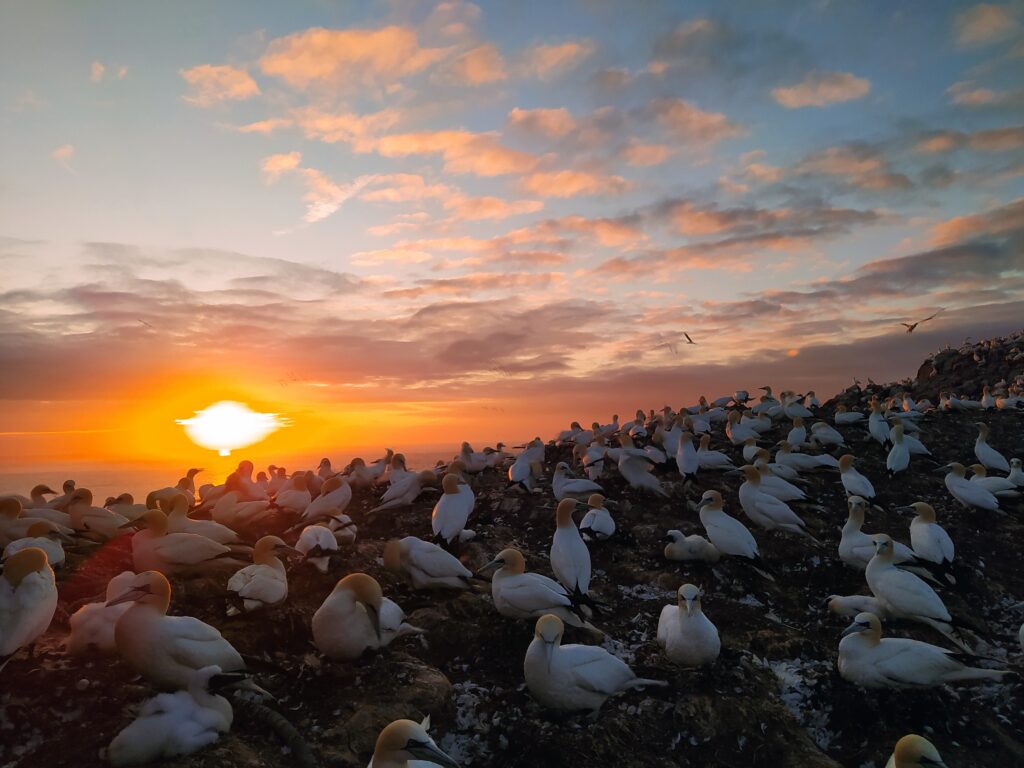 Photo Credit: Alice Bernard
 As human populations expand and wildlife ranges shift, the spaces where people and animals share landscapes are growing and so are the conflicts, trade-offs, and governance challenges that come with them. Our research investigates the social, psychological, and institutional dimensions of coexistence: why people tolerate or reject large carnivores, how policies succeed or fail, and what frameworks can guide durable coexistence at local to global scales. We integrate surveys, spatial modeling of human attitudes, and policy analysis to bridge the gap between ecological science and the human realities that ultimately determine whether wildlife persists.
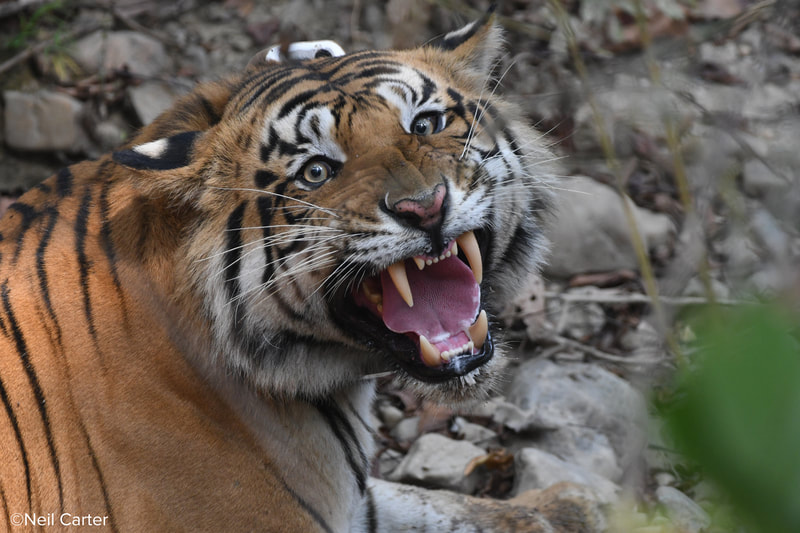 Photo Credit: Neil Carter
 Accelerating global change — from climate shifts and expanding infrastructure to the spread of artificial light, noise, fire, and drought — is reshaping where wildlife can survive, how they move, and how they behave, often faster than conservation institutions can respond. Our research spans from individual animal movement and habitat selection to continental and global assessments of biodiversity loss, combining field data and remote sensing tools with large-scale ecological analysis to understand how these pressures play out across scales. By linking mechanistic, animal-level responses to landscape- and global-scale consequences, we aim to give conservation planners the evidence they need to act ahead of the curve.
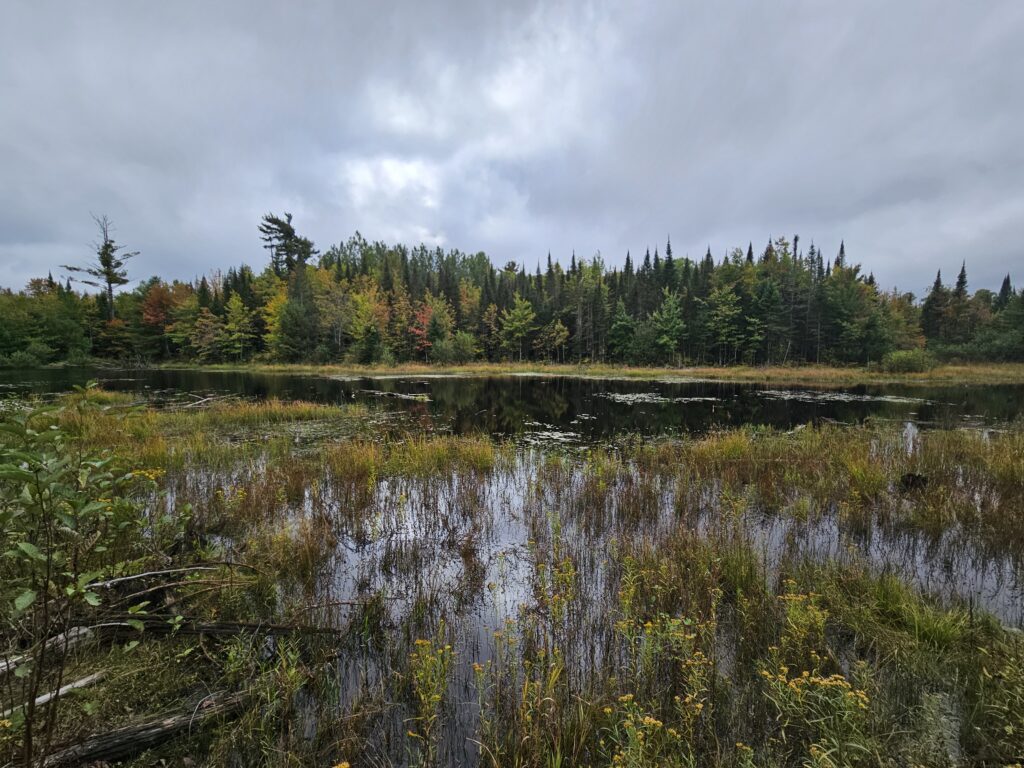 Photo Credit: Jason Hagani
 Wildlife conservation ultimately plays out in systems where human decisions and ecological dynamics are deeply intertwined. Understanding those feedbacks requires approaches that go beyond either social or ecological science alone. Our group develops and applies agent-based models, complexity frameworks, and machine learning tools to simulate how human behavior, land use, and institutional arrangements shape wildlife population outcomes, and vice versa. This theoretical and computational work provides the mechanistic foundation for predicting how conservation interventions will ripple through the coupled systems they aim to change.